Graduate Studio:
Technology B

↳ Pratt Grad ComD ↳ DES 720B Fall 2026
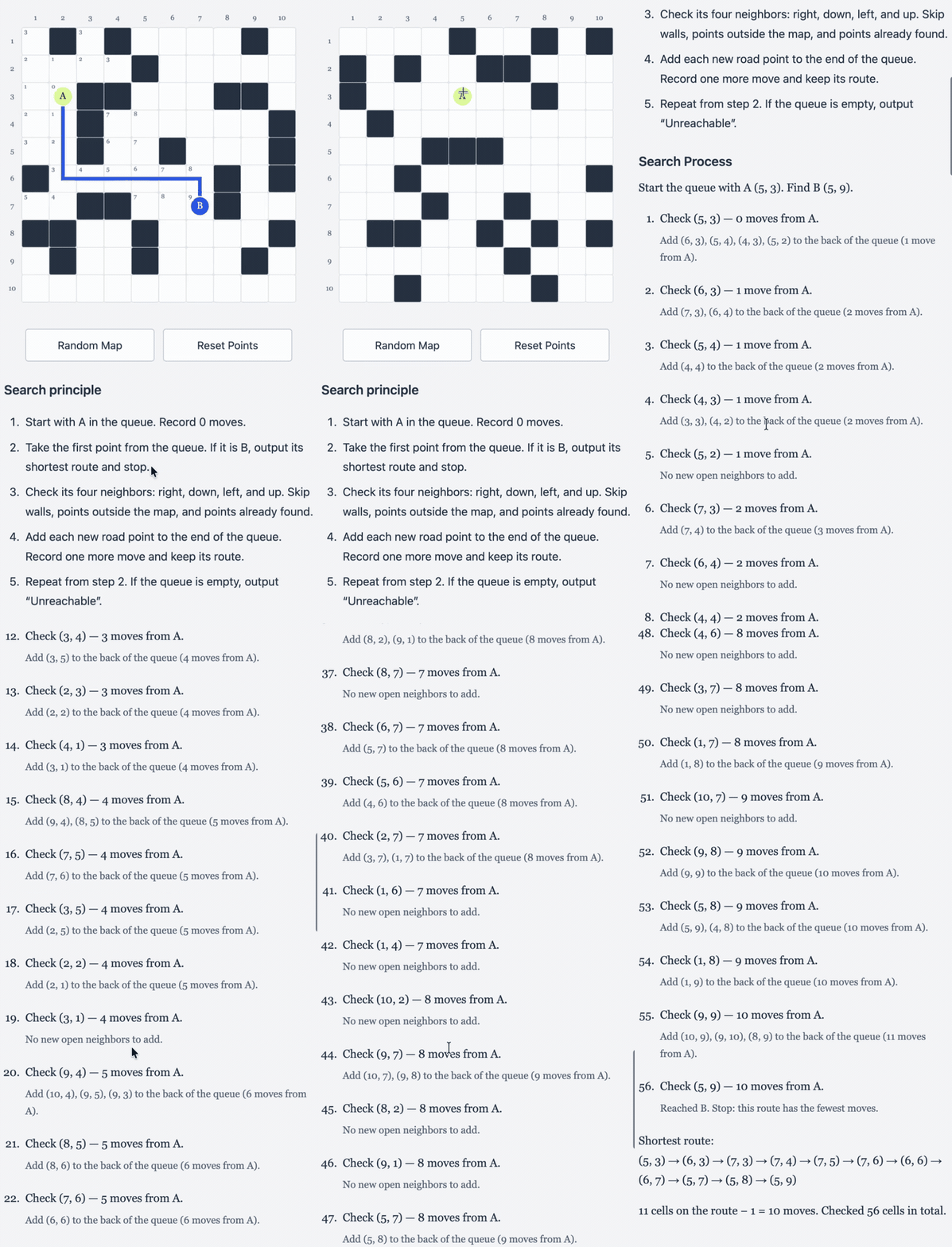
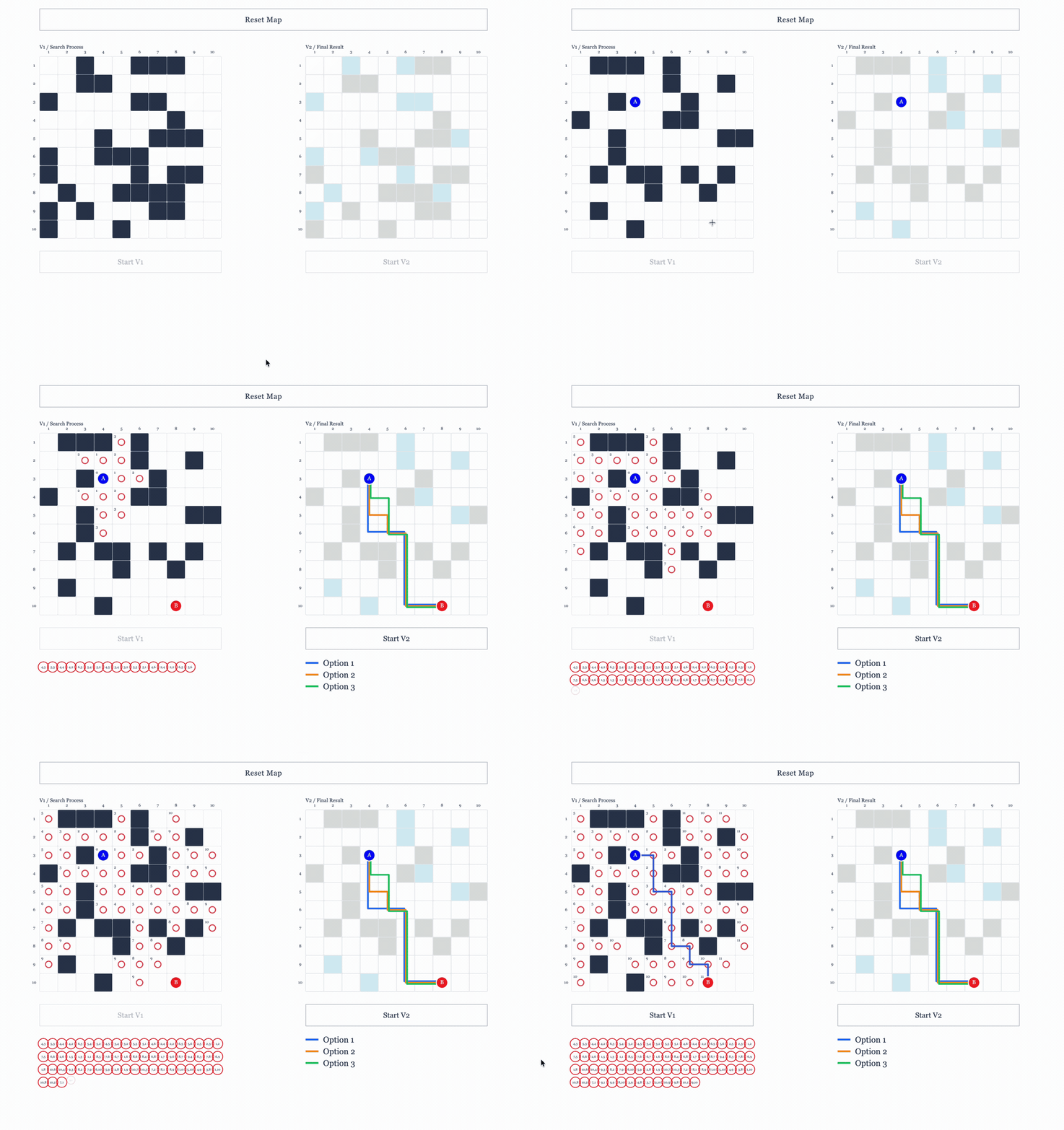
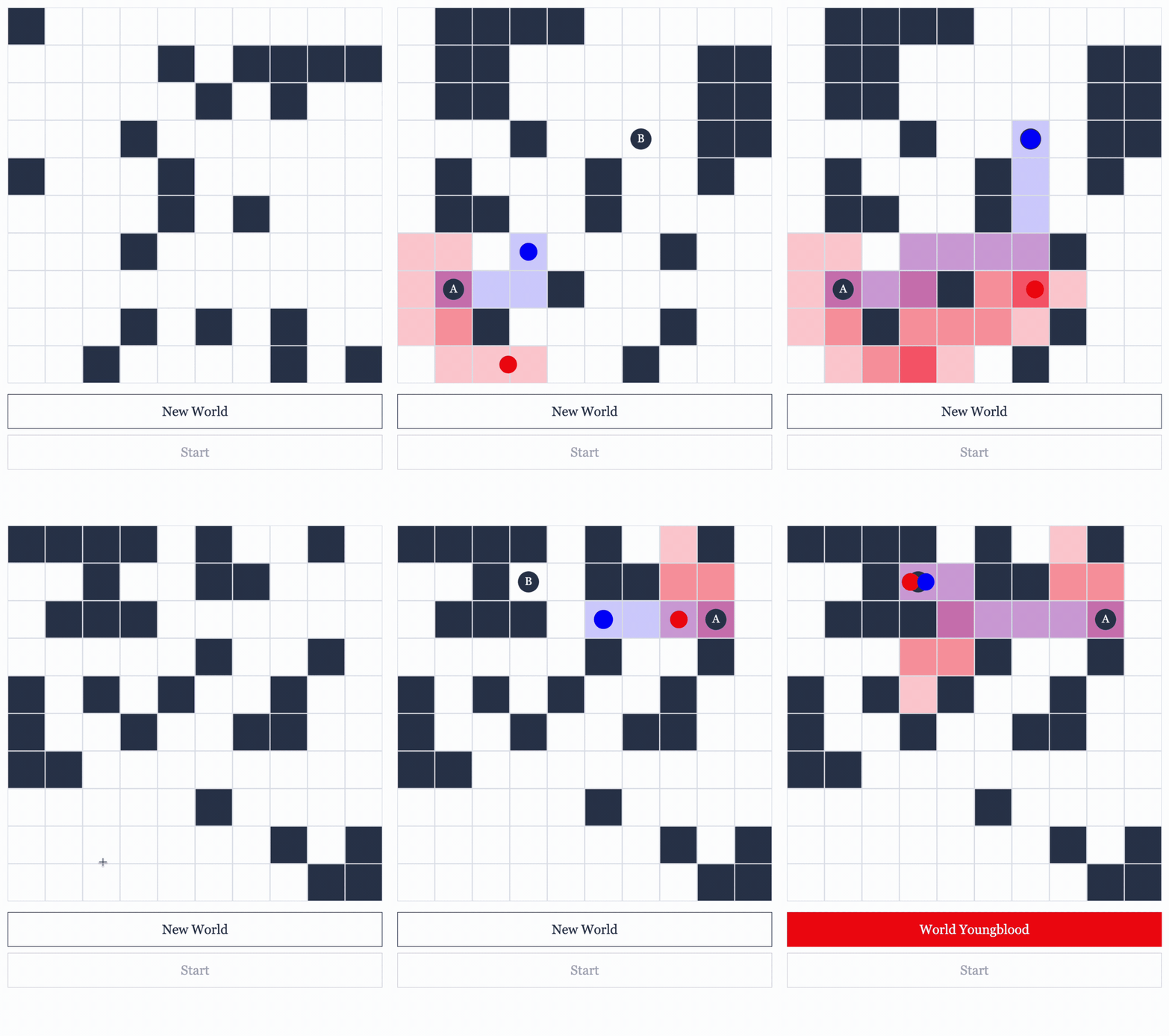
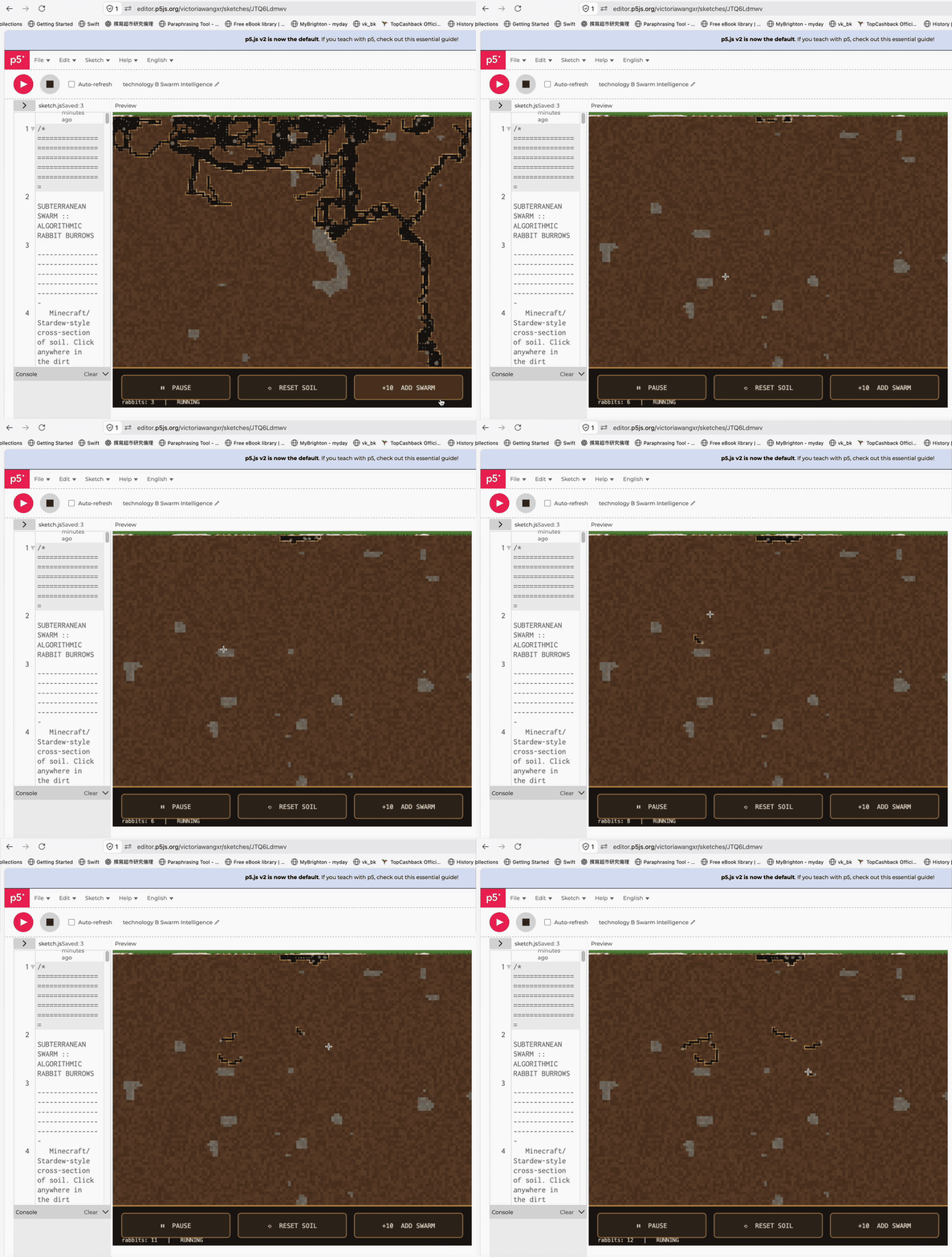
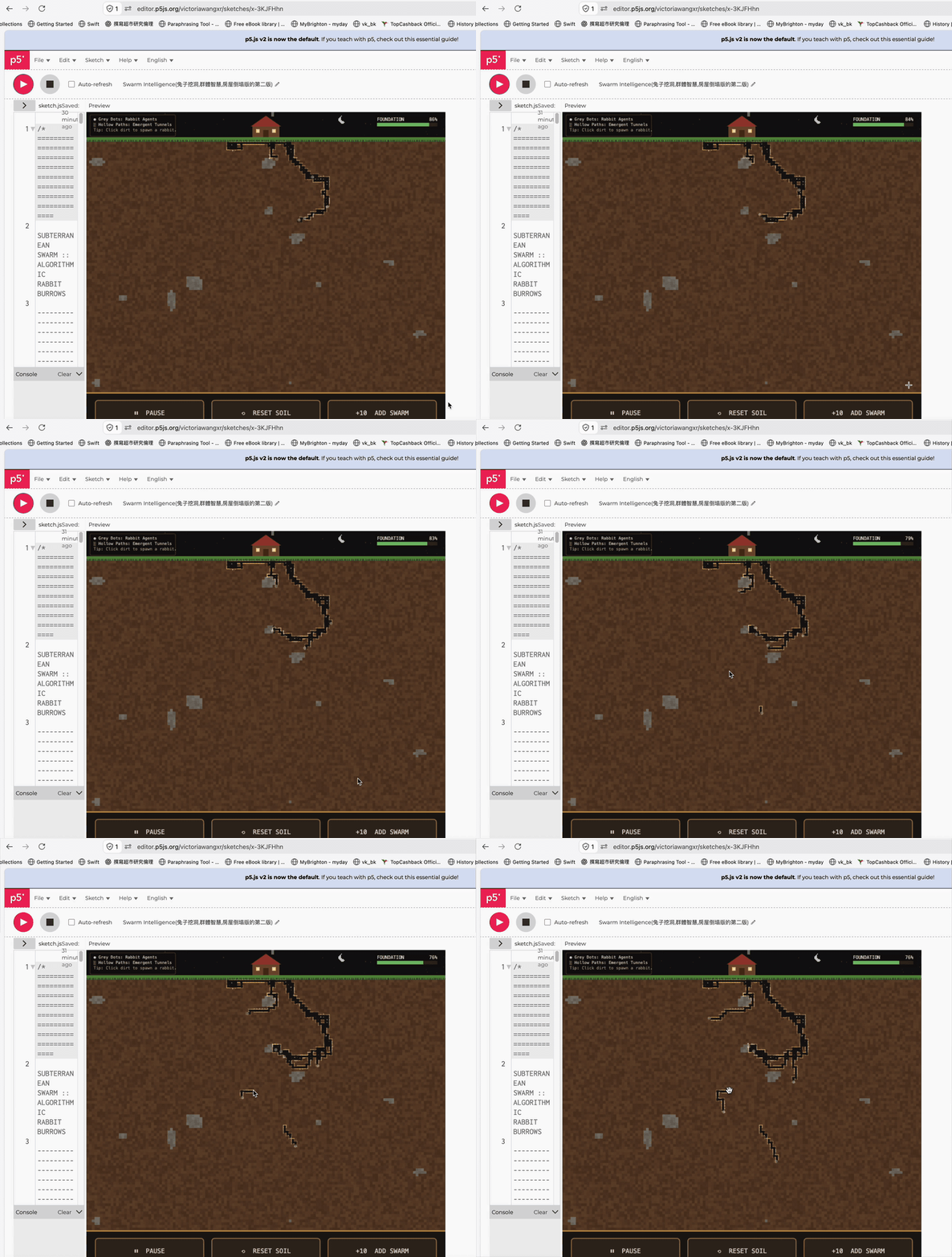
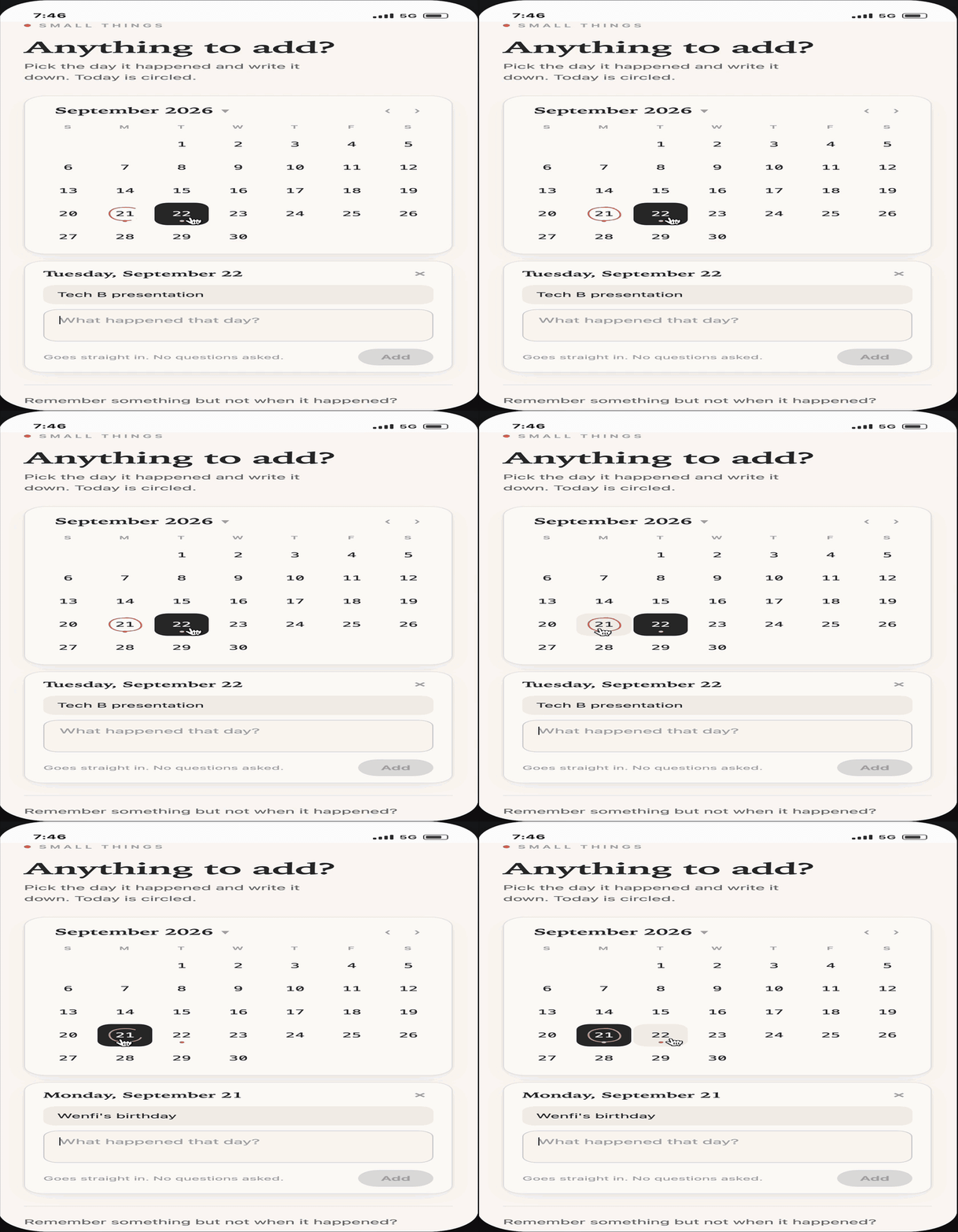
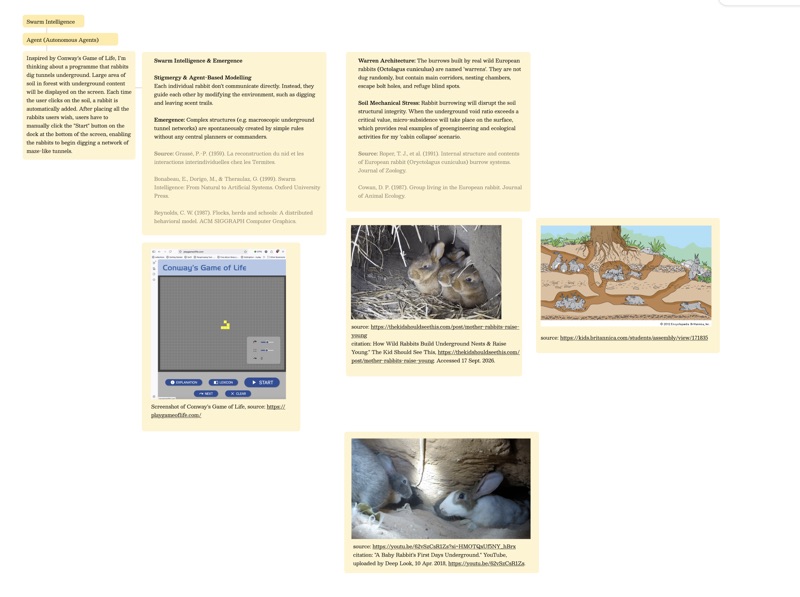
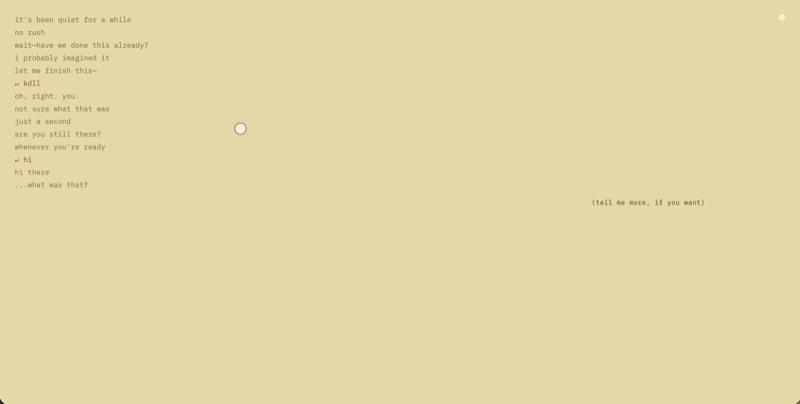
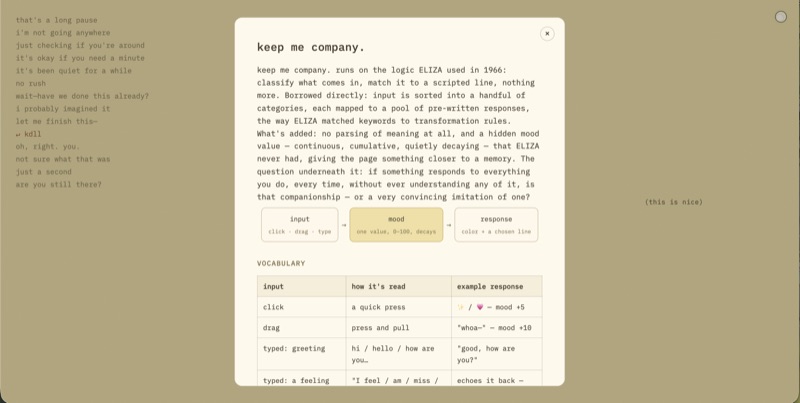
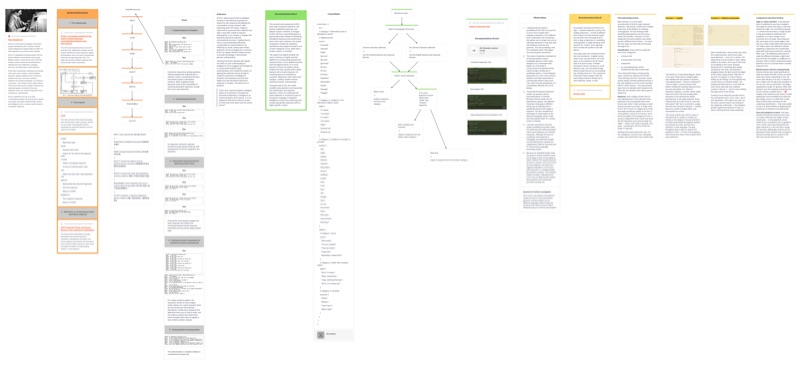
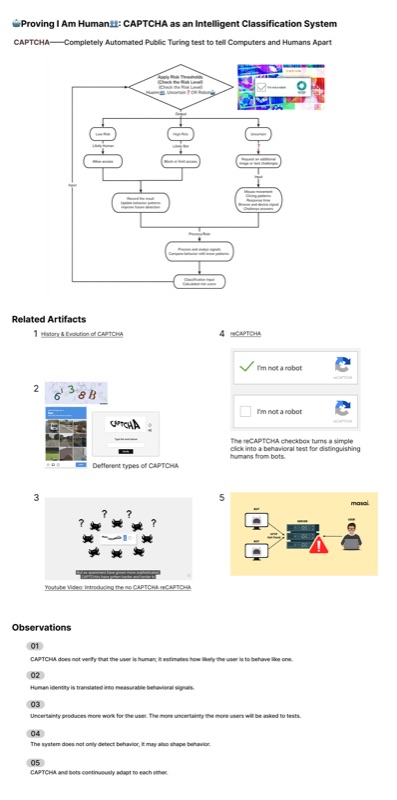
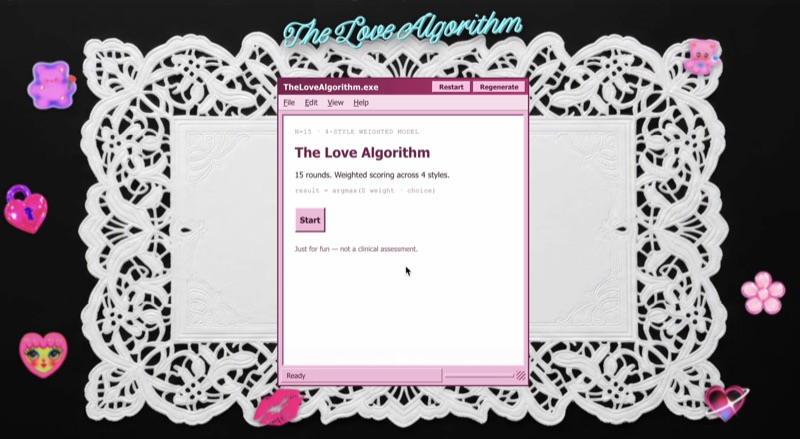
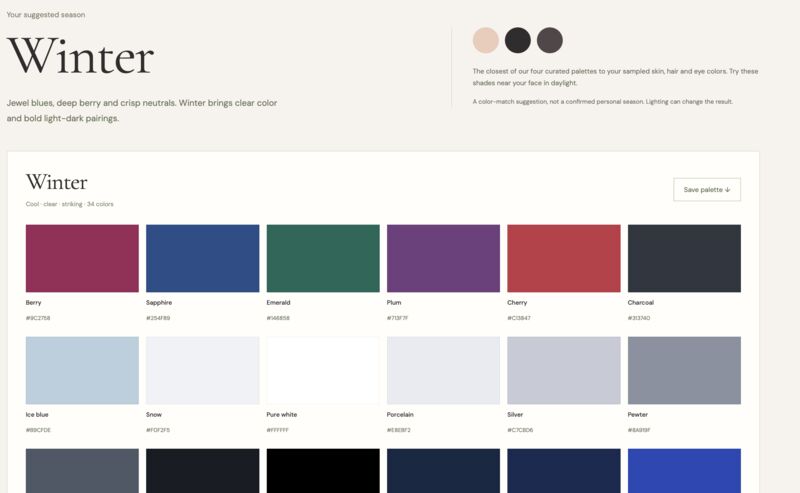
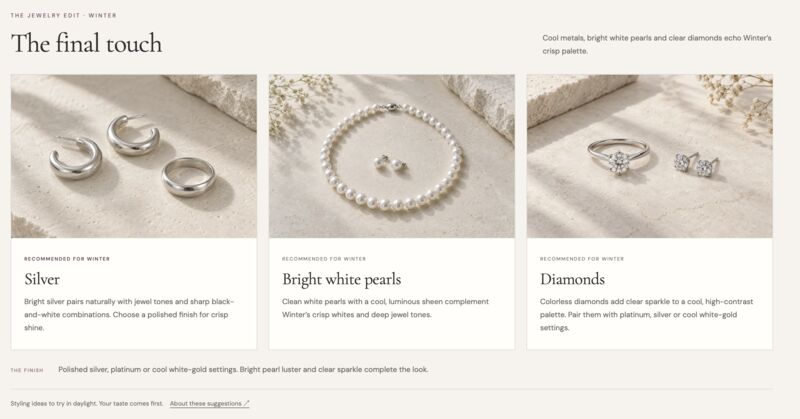
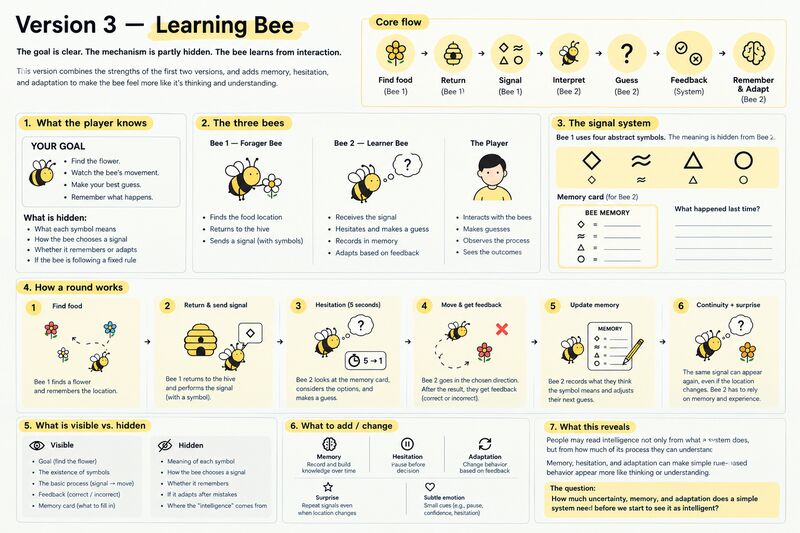
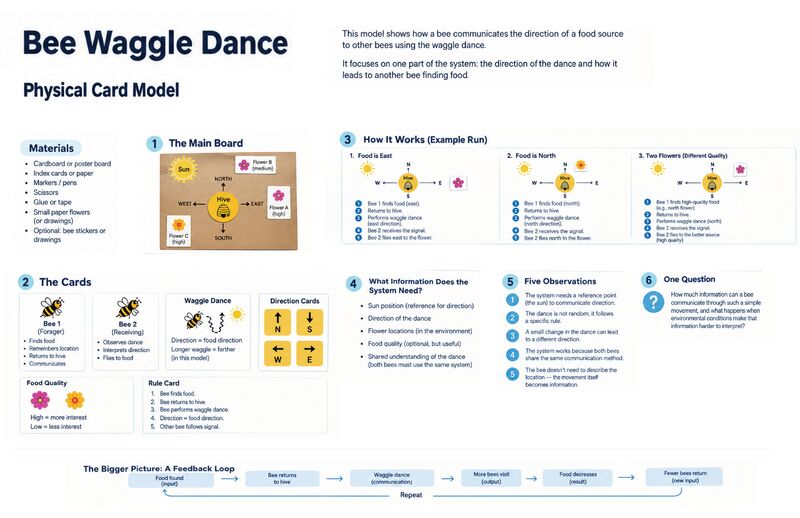
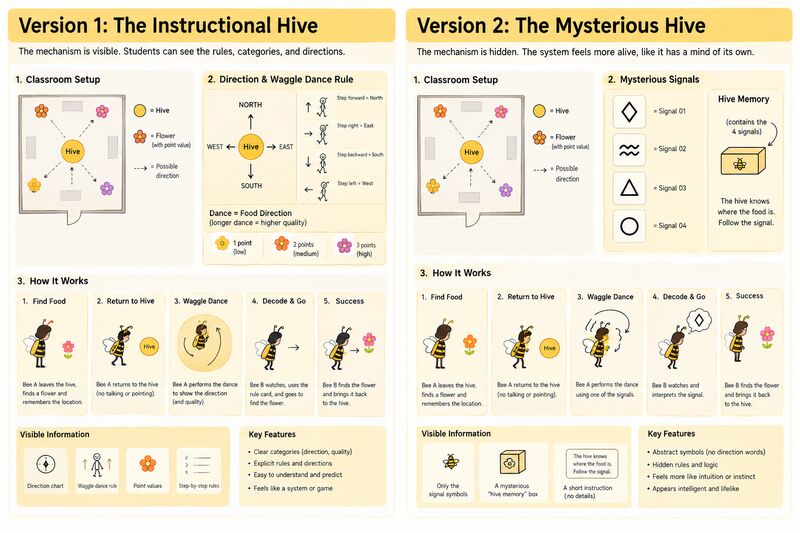
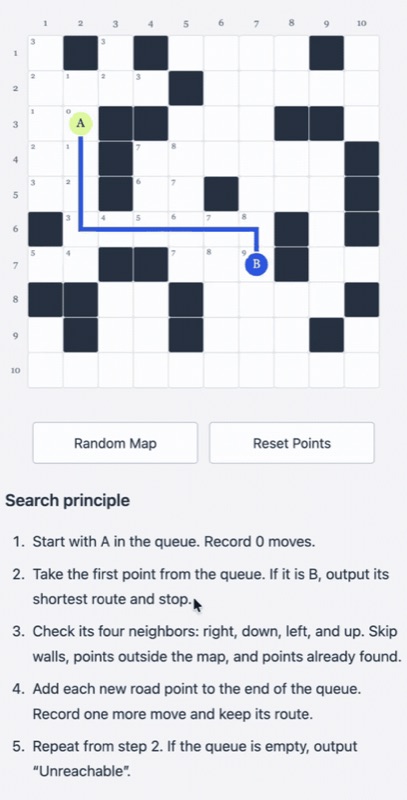
Using the A* algorithm I researched in Week 1, I built the first demo. Written steps and scrolling text show how the code works.I compared two versions: one visualizes the process, while the other directly presents three optimal routes. Which looks more intelligent?A new world! Old Wise struggles to move, but gets every step right. Young Blood is very fast, yet seems to keep running into walls.It is a video about a previous version of my creative coding.This one is my final version of swarm intelligence and rabbits digging tunnels.Screen recording of the final “Find the Day” prototype. The video demonstrates how a user moves from an uncertain memory to a specific date through conversation with an anonymous account.Initial system testing outputsThis file is a screenshot of my workspace on Figma. It's mainly about my research.Page screenshotOverview of Website LogicSummary of Research ContentWeek 1 — System Research
Research mapping how CAPTCHA systems translate human behavior into data, risk scores, and classifications.Week 2 — Testing and Observations
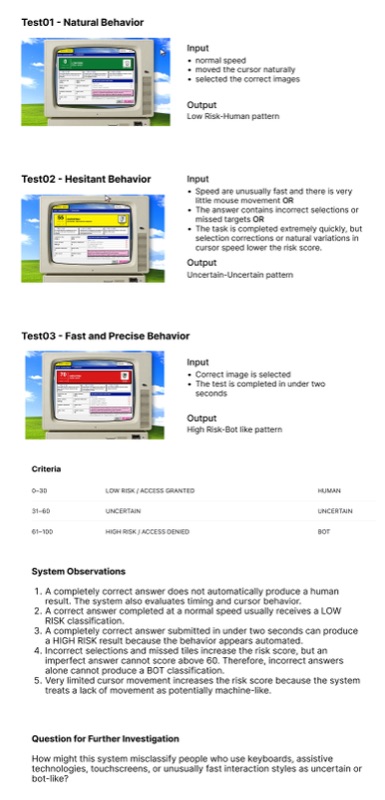
Three interaction tests compare how speed, accuracy, and cursor movement produce human, uncertain, or bot-like results.Week 3 — Interface Comparison
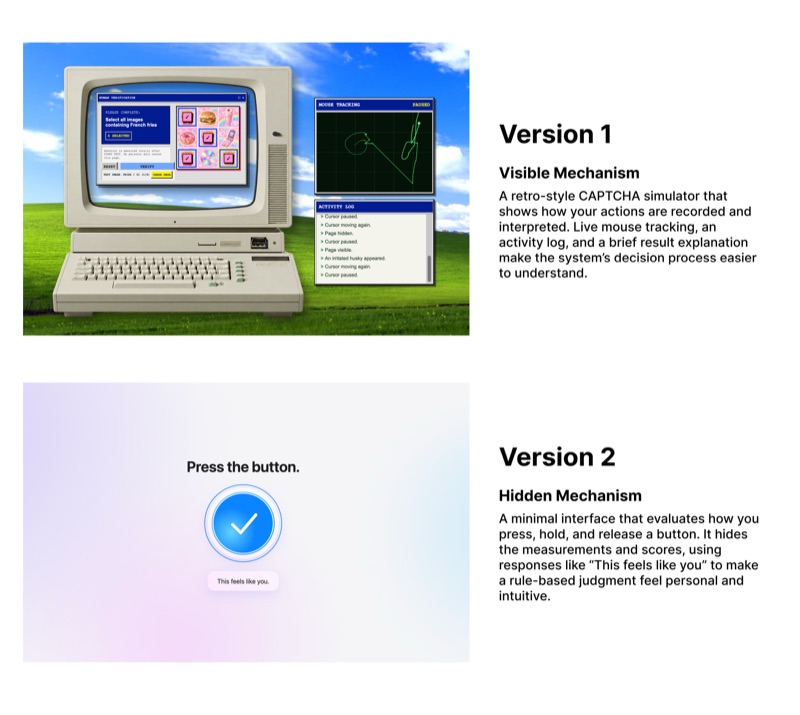
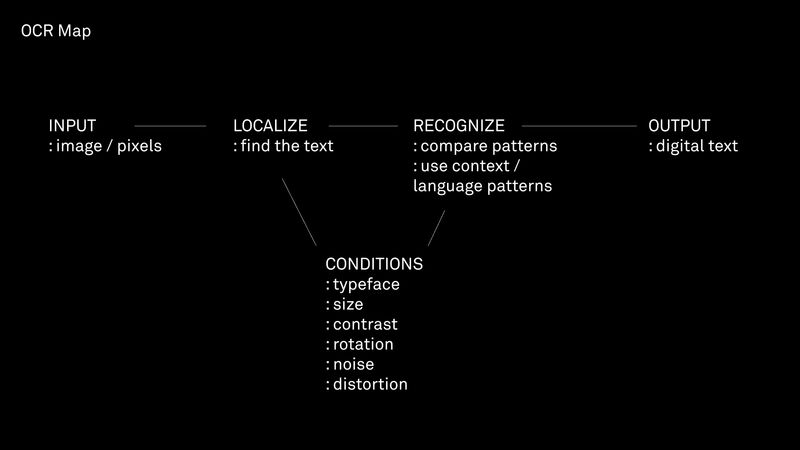
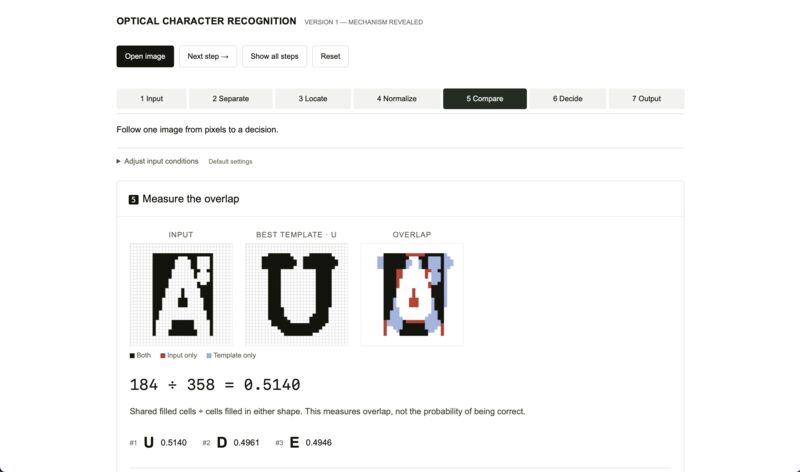
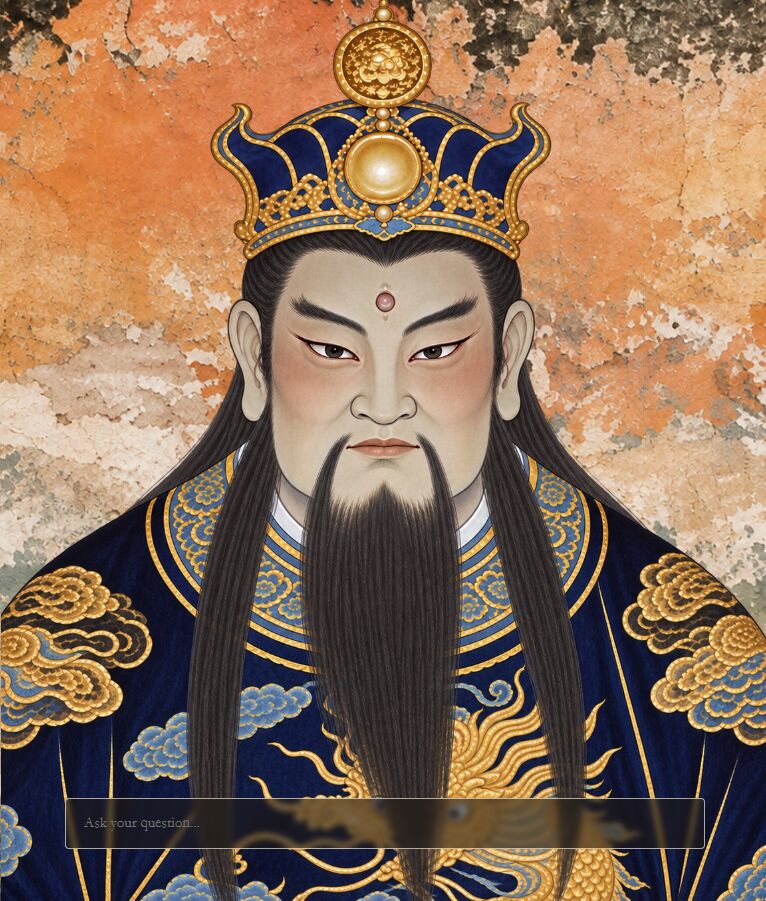
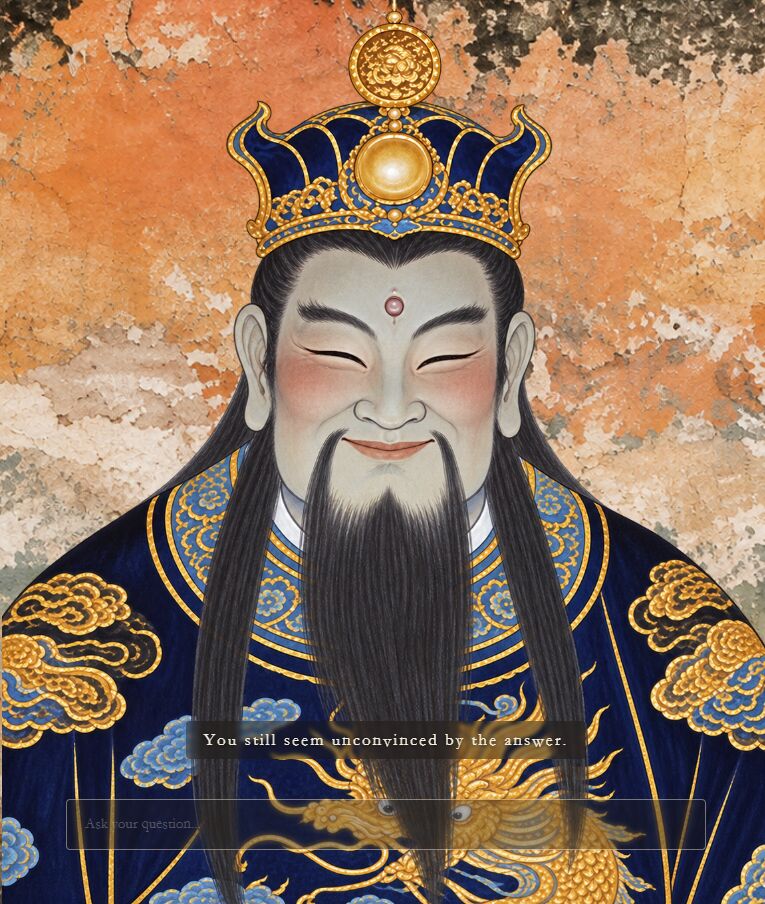
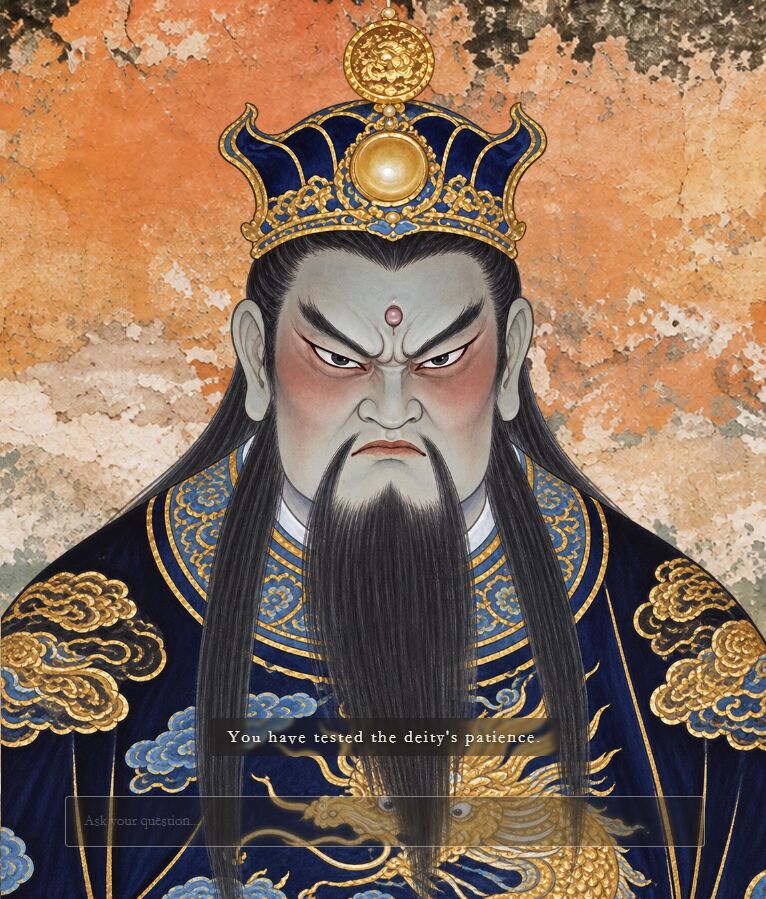
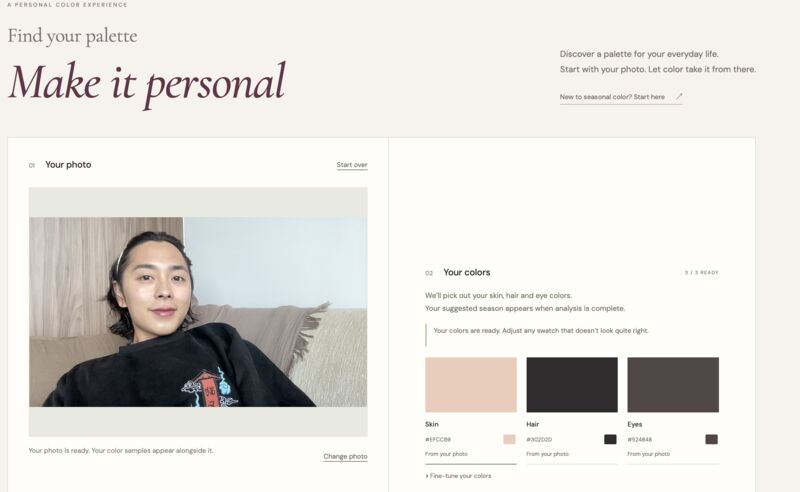
A comparison of three CAPTCHA interfaces that reveal, partially reveal, or hide how the system observes and judges users.Prototype questions and layoutPrototype resultsPrototype descriptionOCR MapOne of the earlier prototypes clearly shows how the OCR mechanism worksFinal PrototypeWaiting for questionsAsk same question 2-3 timesAsk same question 5 times and abovePhoto capture interface showing a portrait alongside automatically sampled skin, hair, and eye colors. Users can adjust the samples before exploring their palette.Color analysis result showing a suggested Winter palette with 34 colors, color names, HEX codes, and an option to save the palette.“The final touch” section presents jewelry suggestions for the Winter palette, including silver, bright white pearls, and diamonds, with images and simple styling tips.A physical bee communication game exploring how we perceive intelligence. Bee 1 finds food and sends hidden signals; Bee 2 guesses, remembers, and adapts based on feedback. Through memory, hesitation, and adaptation, a simple system begins to appear intelligent.My physical card model shows how one bee finds food, returns to the hive, communicates the direction, and helps another bee find the same food source. It also shows how this simple process can create a larger feedback loop within the colony.A physical game exploring bee communication and perceived intelligence. Version 1 uses clear rules, while Version 2 hides them behind symbols, requiring guessing, memory, and feedback. The same system feels different depending on how the communication is presented.
New World · Li Zhang

Project Archive